February 11, 2026
Fences play a vital role in protecting Georgia homes while adding personality and curb appeal to residential properties. Sun, humidity, storms, and shifting soil can all take a toll over time, which is why routine upkeep matters just as much as quality installation. Homeowners often rely on experienced fence contractors to keep their structures strong, safe, and attractive for years to come. With the right maintenance strategy, small seasonal efforts can prevent costly repairs, extend longevity, and preserve the visual impact of your outdoor spaces.
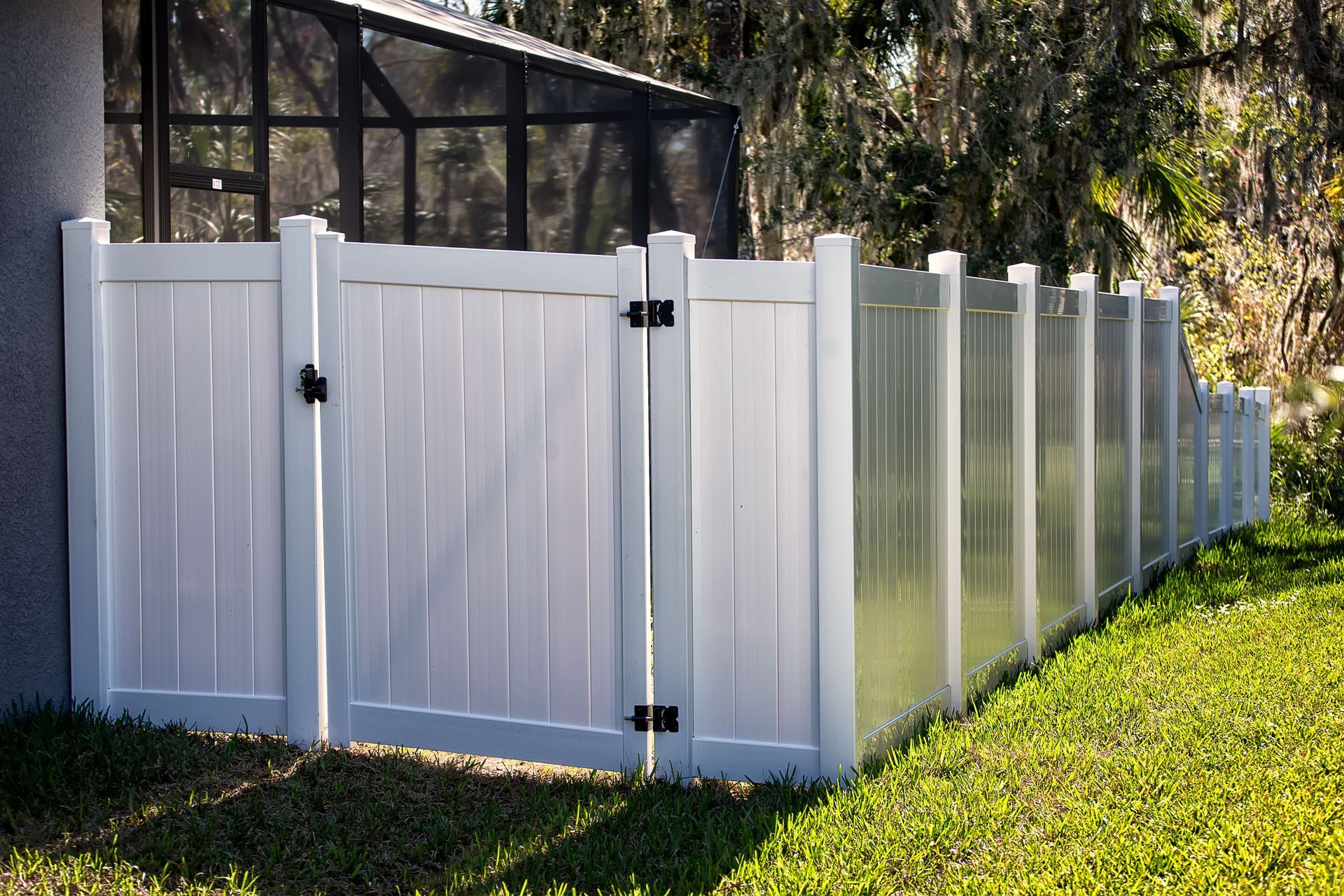
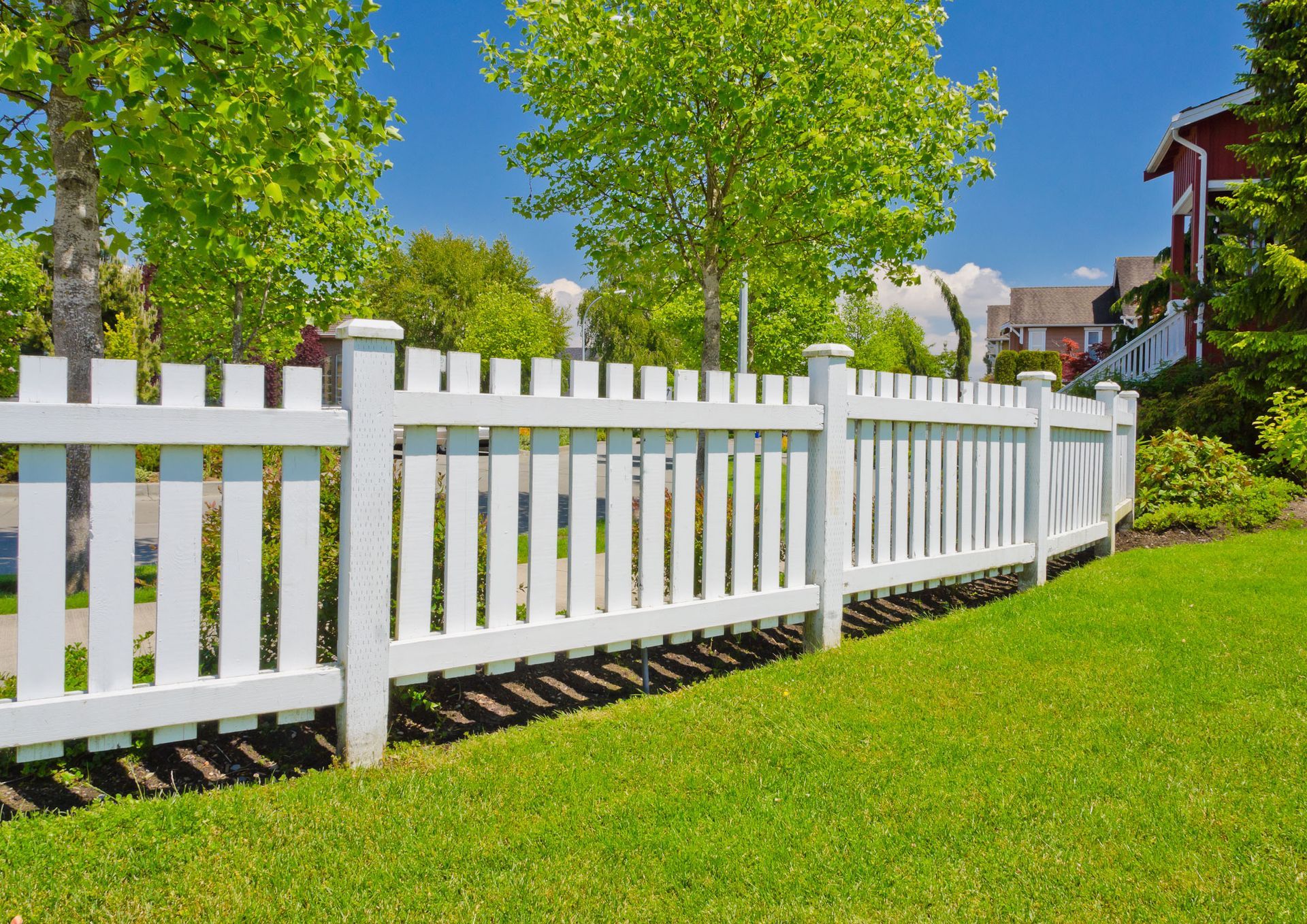
Regular cleaning, timely inspections, protective finishes, and climate-specific care work together to keep fencing in top condition. According to HGTV, a well-cared-for wood fence should last 15 years, proving that proactive maintenance pays off. Whether your property includes classic wood panels, decorative metal, vinyl sections, or automated gates, these expert tips will help ensure your fence continues doing its job beautifully while avoiding unnecessary deterioration.
Clean Surfaces Regularly and Safely
Routine washing removes dirt, pollen, mildew, and pollutants that can slowly degrade fencing materials. Gentle detergents and soft-bristle brushes work well for most surfaces, while pressure washers should be used carefully so wood grain is not damaged. Cleaning two to three times per year keeps buildup from becoming stubborn and reveals early warning signs like hairline cracks or rust spots before they worsen. Establishing a calendar reminder for these cleanings can help homeowners stay consistent year after year.
Spring and fall are ideal seasons for deeper cleaning, especially in Georgia where humidity encourages mold growth. Summer touch-ups and winter pre-storm checks also help prevent debris accumulation around posts and rails that can trap moisture. Consistent washing makes later maintenance tasks easier and reduces long-term wear, while keeping your fence looking fresh year-round.
Inspect Structures Thoroughly and Often
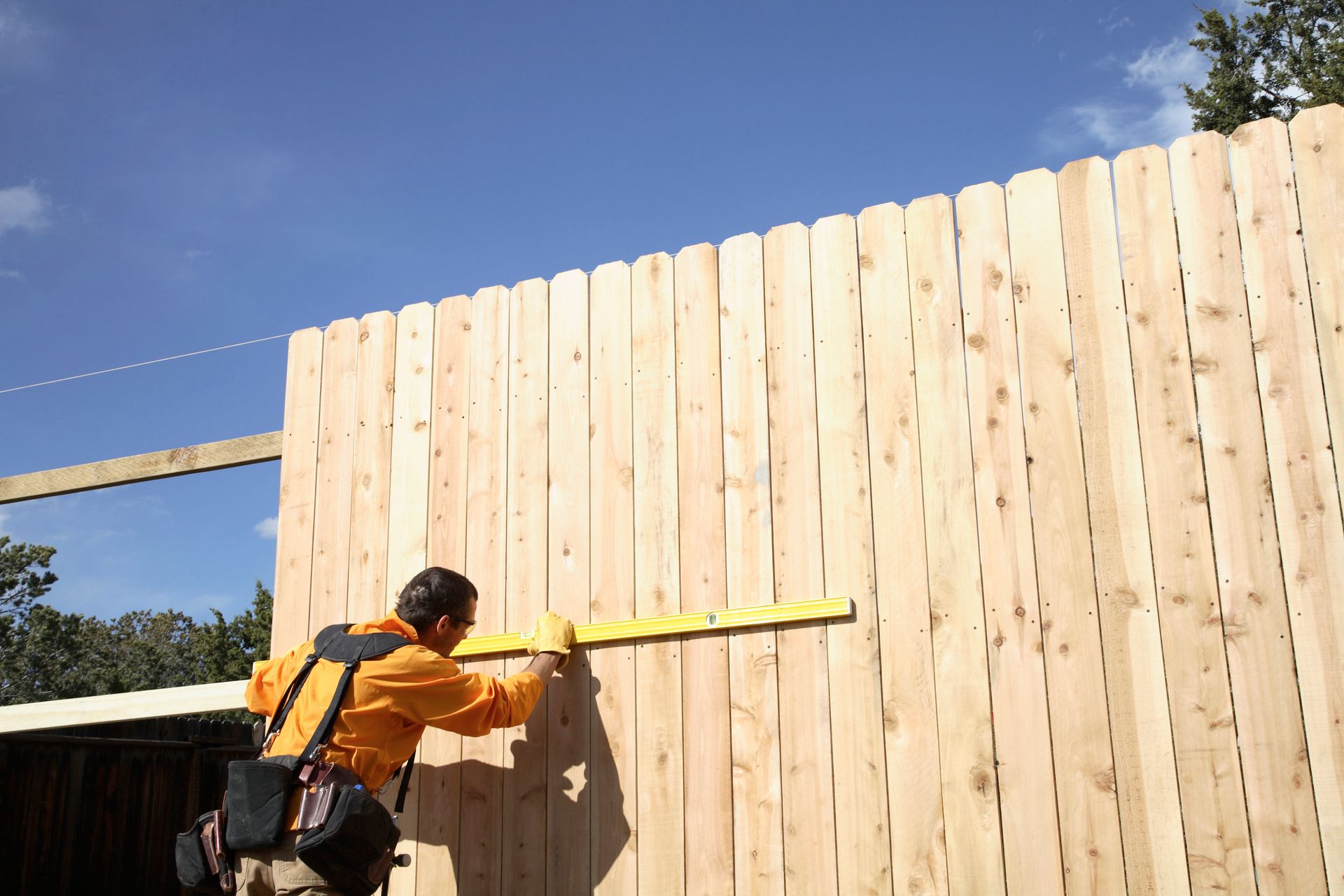
Visual inspections are one of the most valuable habits homeowners can develop. Walk the fence line every few months to check for leaning posts, loose boards, sagging gates, chipped finishes, and corroded hardware. Catching issues early keeps them from spreading into structural failures that are far more expensive to fix.
Many homeowners consult fence contractors for professional evaluations, especially after storms or when the fence is several years old. Specialists can assess footings, joints, and hidden damage below the surface that is easy to overlook during routine walk-throughs. Routine inspections protect both safety and appearance while extending the overall life of the installation. Professional reviews help homeowners plan refinishing or repair timelines more strategically.
Address Rot, Rust, and Deterioration Promptly
Wood fencing is particularly vulnerable to rot where moisture collects near soil lines or shaded corners. Soft spots, discoloration, and musty odors signal decay that should be corrected quickly before entire sections weaken. Replacing affected boards and sealing exposed areas prevents damage from spreading to neighboring sections and compromising stability. Early intervention can often preserve original materials rather than requiring full panel replacements.
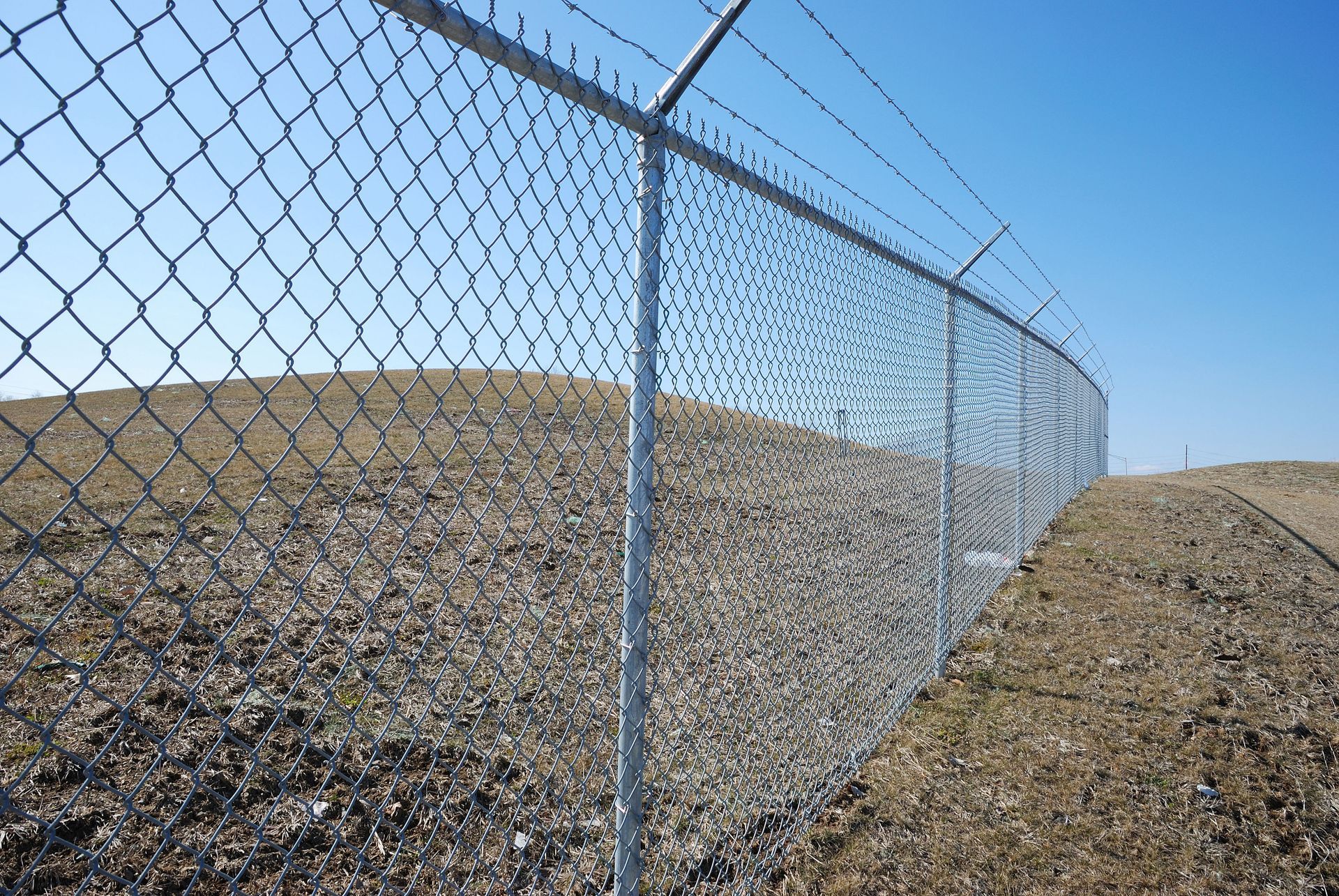
Metal fences require attention too, especially around welds and fasteners where rust can form. Sand affected areas, apply rust inhibitors, and repaint with protective coatings to stop corrosion in its tracks before it spreads further. Acting fast keeps minor deterioration from turning into major reconstruction projects that disrupt your property and budget.
Paint and Seal for Long-Term Protection
Protective finishes serve both cosmetic and functional purposes for residential fencing. Stains soak into wood fibers, highlighting natural grain while repelling moisture and ultraviolet rays. Paint creates a surface barrier that shields from sun exposure and rainfall while adding bold color options that complement surrounding landscaping. Proper preparation before application ensures coatings bond evenly and last longer.
Reapplication schedules depend on climate and material, but most wood fences benefit from resealing every two to three years. High-quality coatings cost more upfront but reduce how often touch-ups are needed, saving time and labor in the long run. Many fence contractors recommend weather-resistant products specifically formulated for Southern conditions to ensure consistent results.
Manage Vegetation and Drainage Carefully
Overgrown shrubs, vines, and tree limbs trap moisture against fencing and accelerate decay over time. Keeping plants trimmed back allows airflow to dry surfaces naturally after rainstorms and prevents organic debris from collecting along panels. Leaf buildup at the base of posts should be removed so standing water does not soak into wood or corrode metal components.
Proper drainage around fence lines matters just as much as trimming vegetation. Soil that slopes toward posts can lead to erosion and instability that shifts panels out of alignment. Redirecting runoff and maintaining clear ground around foundations protects structural integrity and reduces long-term maintenance needs.
Maintain Gates and Automation Systems Properly
Gates experience constant movement, making hinges, rollers, and latches prime spots for wear. Lubricate hardware regularly and tighten bolts before sagging begins to keep movement smooth and aligned. Automatic gate systems require additional care, including sensor cleaning, track inspections, and motor testing to prevent malfunctions. Checking alignment monthly helps prevent strain on motors and rollers.
Because these systems combine mechanical and electrical components, homeowners often rely on fence contractors for servicing and upgrades when problems appear. Routine adjustments improve reliability, extend equipment lifespan, and prevent inconvenient breakdowns that compromise access and security around the home.
Adapt Maintenance Plans to Georgia’s Climate
Georgia’s heat, humidity, and sudden storms place unique demands on residential fencing throughout the year. Moisture control and UV protection should be top priorities, especially for wooden installations exposed to direct sunlight for long periods. Storm preparation includes checking posts for firmness and clearing loose debris that could become airborne during severe weather. These measures help prevent emergency repairs after seasonal storms.
Seasonal care plans that reflect local weather patterns reduce emergency repairs and preserve visual appeal year-round. Many homeowners work with
fence contractors who understand regional soil conditions and environmental stressors, tailoring maintenance approaches for lasting durability and consistent performance.
Balance DIY Efforts With Professional Support
Homeowners can sometimes handle routine tasks such as cleaning, trimming vegetation, tightening screws, and applying touch-up paint between major service visits. These regular efforts keep fences looking sharp and slow deterioration before larger repairs become necessary. Performing quick monthly walk-throughs also helps catch small issues while they remain easy to manage. Keeping a maintenance log can help track patterns over time.
Professional inspections remain invaluable for diagnosing hidden problems or planning refinishing projects. Skilled crews bring specialized tools and experience that allow them to spot foundation shifts, structural weaknesses, or automation issues early. Combining personal upkeep with expert assistance creates the most reliable long-term strategy.
Invest in Preventive Care for Long-Term Value
Preventive maintenance costs far less than full replacement and helps preserve property value over time. Clean surfaces, sealed finishes, stable posts, and well-functioning gates all contribute to curb appeal and buyer confidence when homes are listed for sale. Keeping records of repairs and treatments also helps homeowners track when future services may be needed.
Consistent care makes fencing safer for families, pets, and guests while maintaining visual harmony with landscaping and architecture. Over time, small seasonal habits add up to decades of dependable service and fewer emergency repairs. Preventive strategies ultimately protect both property and peace of mind.
A well-maintained fence does far more than outline a yard. It protects homes, enhances style, and supports long-term property value when cared for properly. At All Advanced Fence, LLC, we have proudly served residential clients across Georgia since 1997 with fence installation, refinishing, repair, maintenance, and complete gate automation services. Contact us today to schedule a consultation and see how our team of experienced fence contractors can help elevate your property for years to come.