November 6, 2026
Installing a new fence is an important investment that can improve a property's privacy, security, appearance, and functionality. Whether you want to enclose a backyard, establish clear property boundaries, or create a safer outdoor space for children and pets, choosing the right fencing solution requires careful planning. Before beginning a project, it is helpful to discuss your expectations, budget, and available options with a professional fence company. Having these conversations early can help you understand what your property needs and avoid unexpected complications during installation.
Every fencing project has different requirements based on the property's layout, intended use, and desired appearance. From selecting materials to understanding maintenance responsibilities, asking the right questions can make the process more straightforward. Working with All Advanced Fence, LLC can help you explore the considerations involved in planning a fencing project and determine which options best align with your property's needs.
Fencing Goals and Priorities
Before choosing a fence, consider what you want the installation to accomplish. Some property owners prioritize privacy, while others are more concerned with security, appearance, or keeping pets safely contained. Your primary goals will influence the type of fence, materials, height, and overall design that make the most sense for your property.
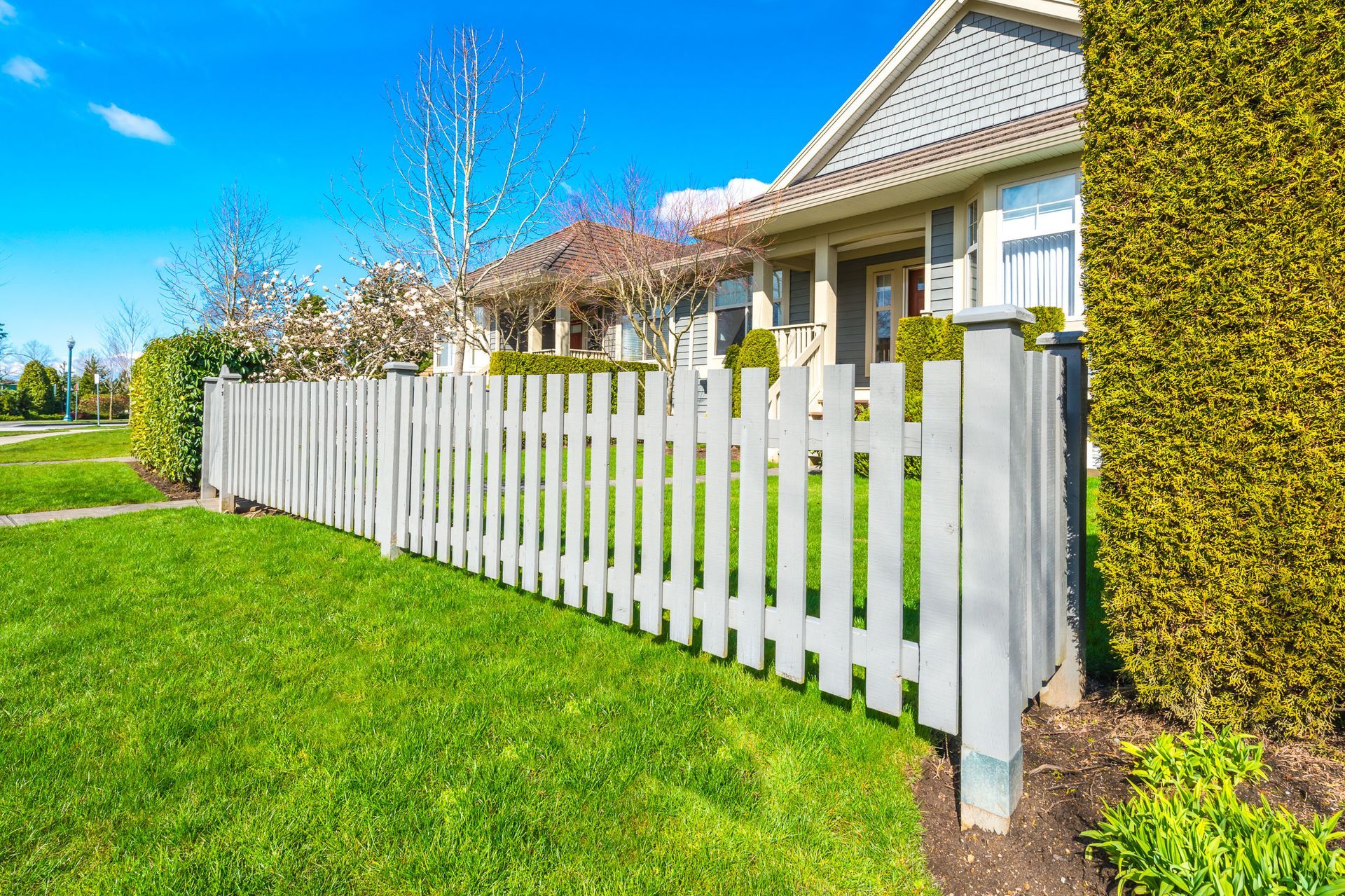
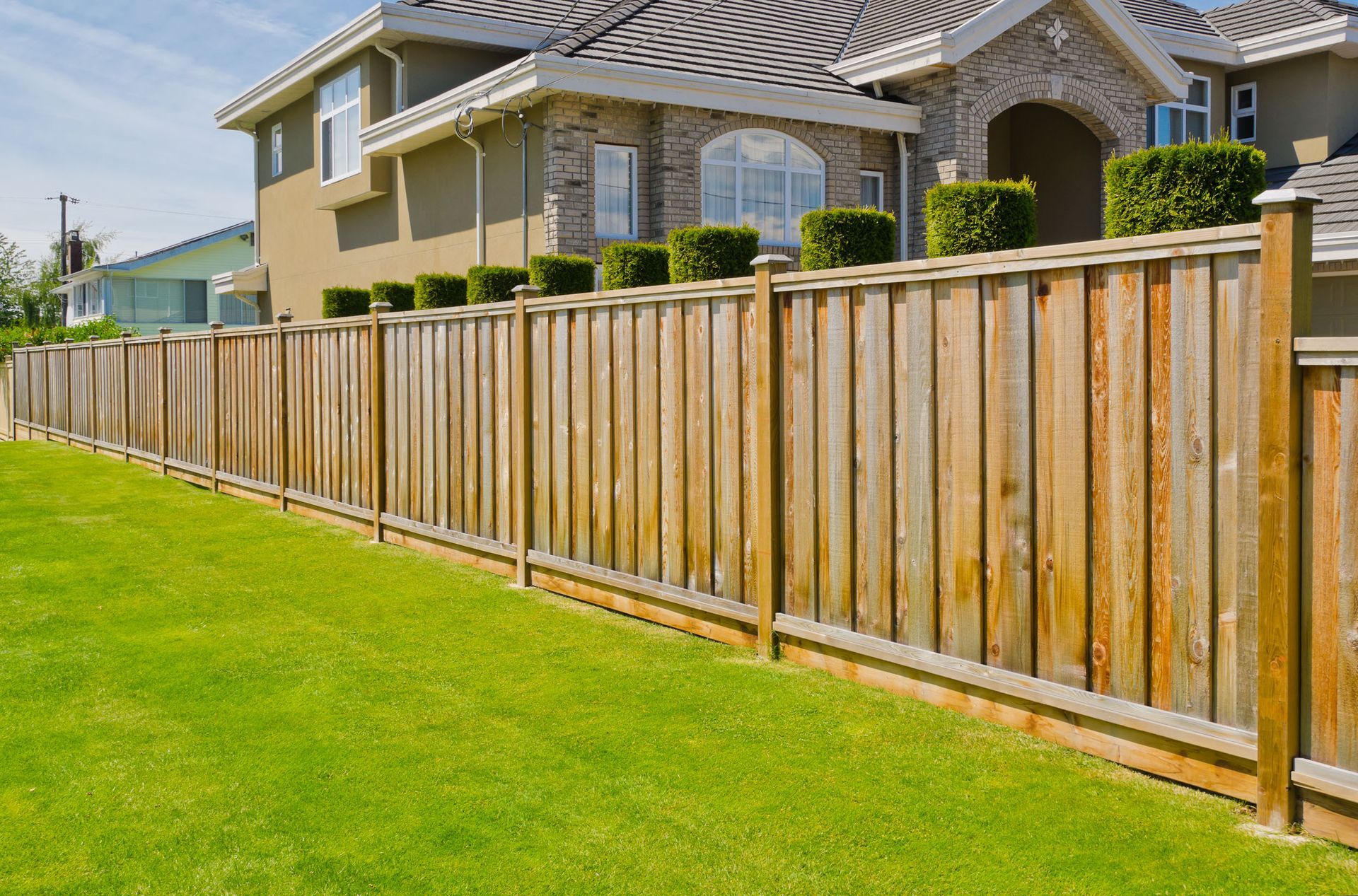
For example, a homeowner who wants to create a private backyard may benefit from a solid privacy fence with minimal gaps between panels. Someone primarily interested in establishing property boundaries may prefer a more open design that defines the space without completely blocking the view. If you have children or pets, you may also need to consider fence height, spacing, and gate accessibility.
Discussing these priorities with a fence company helps establish a clear direction for the project. Be specific about how you plan to use the enclosed area and whether you anticipate any future changes to your property. Having a clear understanding of your goals makes it easier to evaluate different fencing options and select a design that serves its intended purpose.
Discuss Available Fencing Materials
Fencing materials influence more than just the appearance of your property. They also affect durability, maintenance requirements, installation considerations, and long-term costs. Before settling on a particular option, ask about the materials available and how each one performs under different conditions.
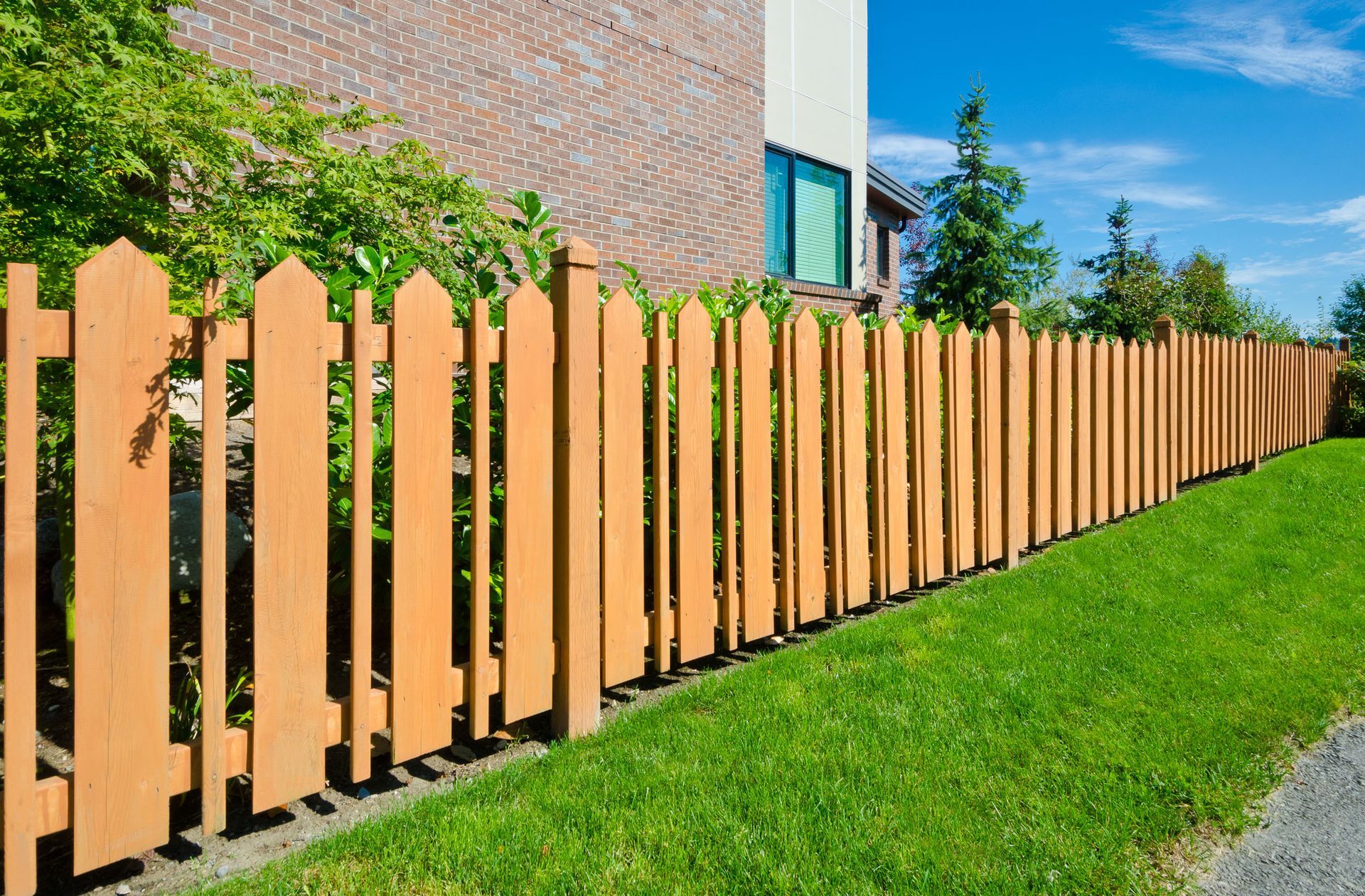
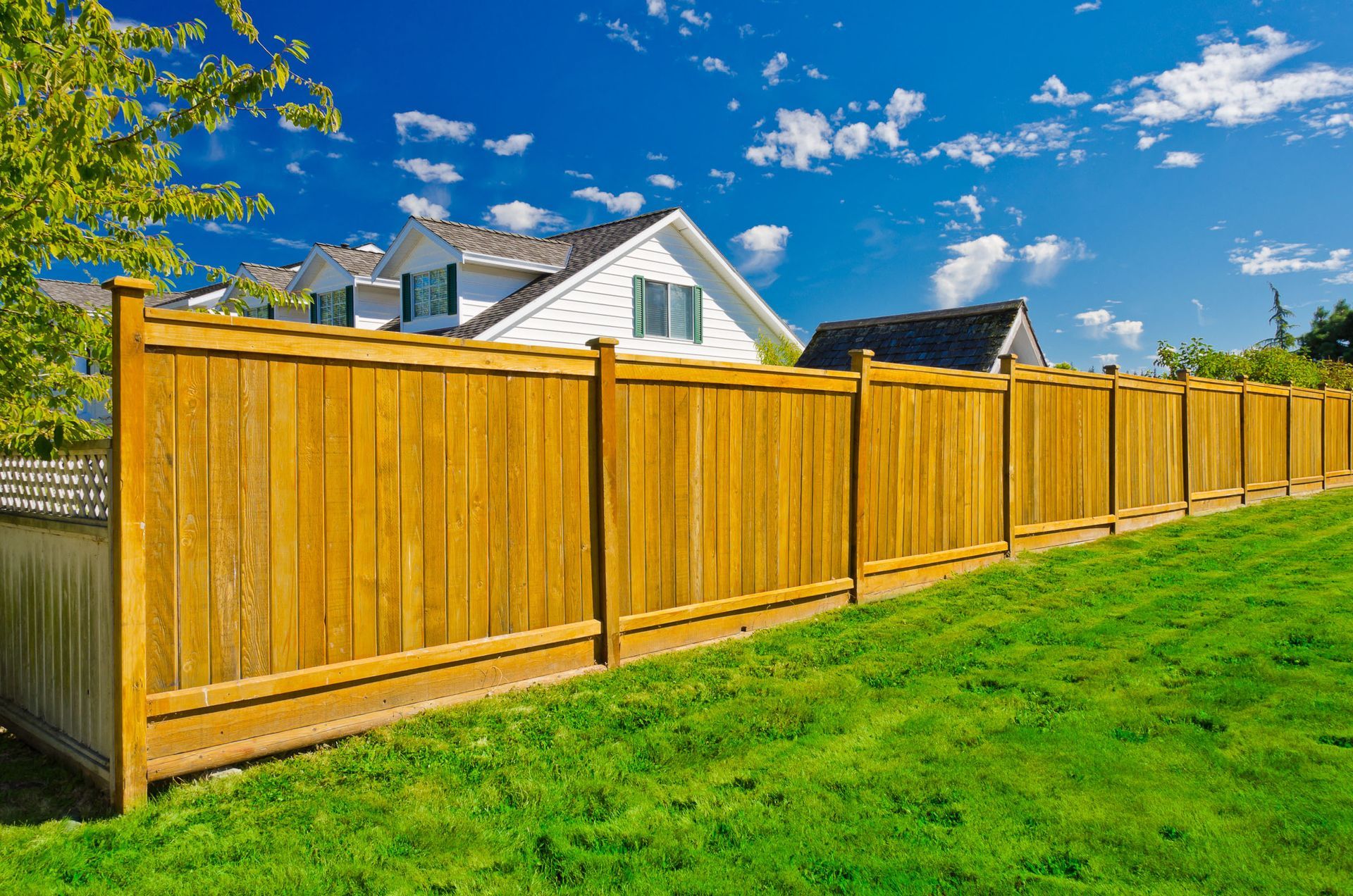
Wood is a popular choice for homeowners who want a traditional appearance and flexibility in design. It can provide substantial privacy and complement many architectural styles. However, wood fencing typically requires periodic maintenance, such as staining, sealing, or painting, to help protect it from moisture and weather exposure.
Vinyl fencing offers another option for property owners interested in a relatively low-maintenance material. It is available in several styles and colors and generally does not require the same routine treatments as wood. Metal fencing, including aluminum and steel options, may be appropriate for homeowners who prioritize strength, visibility, and defined property boundaries.
Ask your fence company about the advantages and disadvantages of each material. Consider how much maintenance you are willing to perform, how long you expect the fence to last, and which appearance best complements your property. Comparing these factors can help you make a more informed decision.
Project Budget and Pricing
Establishing a realistic budget is another important part of planning a fence installation. The total cost of a project can vary depending on the size of the enclosed area, material selection, fence height, terrain, and installation requirements. Understanding these variables before work begins can help you avoid surprises.
Ask for an estimate that explains the expected costs associated with your project. Depending on the installation, expenses may include materials, labor, site preparation, old fence removal, gates, and additional hardware. If your property has slopes, uneven ground, or obstacles, these conditions may also influence the final price.
It is also worth discussing whether different materials or designs could help you stay within your budget. For example, you may be able to adjust the fence's height, style, or placement without sacrificing its primary purpose. However, choosing the least expensive option is not always the most practical approach. A material with greater durability or lower maintenance requirements may offer better long-term value.
A professional fence company should be able to explain the factors affecting your estimate and help you understand what is included. Make sure you discuss any potential additional expenses before agreeing to the project.
Property Boundaries and Local Requirements
Before installing a fence, it is important to understand where your property lines are located and whether any local regulations apply. Installing a fence in the wrong location can create disagreements with neighbors or require expensive adjustments later.
If you are unsure about your property boundaries, consider reviewing your property survey or consulting an appropriate professional to confirm the exact measurements. You should also discuss whether the proposed fence placement could interfere with utility access, drainage areas, easements, or other property features.
Local zoning regulations and homeowners association guidelines may establish requirements for fence height, materials, placement, and appearance. Some communities also require permits before construction begins. These rules can vary based on the municipality and the type of property.
Ask your
fence company what requirements you should investigate before scheduling installation. Clarifying these details early can help prevent delays and ensure your project follows applicable regulations. It is also a good idea to communicate with neighboring property owners when a planned fence will run along a shared boundary.
Fence Design, Height, and Placement
Once you understand your goals and material options, you can begin narrowing down the design of your fence. Details such as height, spacing, color, and placement all contribute to the finished appearance and functionality of the installation.
Fence height is particularly important because it affects privacy, security, and visibility. A taller fence may provide more separation from neighboring properties, while a shorter design may be sufficient for decorative purposes or defining a yard. You should also consider how the fence will look from different areas of your property and whether it will complement existing landscaping and outdoor features.
Placement deserves similar attention. Think about how the fence will interact with driveways, walkways, patios, gardens, and other structures. If you have an existing outdoor living area, for example, you may want the fence positioned to create a more comfortable and enclosed environment without restricting access.
According to Grand View Research, residential use made up the largest portion of the fencing market in the United States, generating 33.6% of total revenue in 2021. This highlights the significant role fencing plays in residential properties. Discussing your design preferences with a fence company can help you identify an option that balances practical needs with the overall appearance of your home.
Gates and Property Accessibility
Gates are an important part of many fencing projects because they determine how people, vehicles, and equipment enter and exit an enclosed area. Although it may be tempting to focus primarily on the fence itself, gate placement and functionality should be considered during the initial planning process.
Start by identifying where you need access points. A backyard may only require a standard walk-through gate, while a larger property could benefit from a wider entrance for vehicles, lawn equipment, or trailers. If you frequently move outdoor equipment between different areas, consider whether additional gates would make everyday activities more convenient.
You should also discuss gate materials, locking mechanisms, hinges, and overall construction. Gates need to function properly while complementing the surrounding fence. Their size and placement should also accommodate the amount of space available for opening and closing.
Planning a fence installation involves several decisions that can influence the project's cost, appearance, functionality, and long-term performance. By discussing your goals, material preferences, budget, property boundaries, design options, and maintenance expectations, you can make informed choices before construction begins. Working with a knowledgeable fence company also gives you an opportunity to ask questions and better understand the installation process. All Advanced Fence, LLC can help you explore the considerations involved in your fencing project and determine which options are appropriate for your property. Contact us today for more information.