November 3, 2026
Installing a new barrier around your home or commercial facility is one of the most effective ways to secure your space and boost curb appeal. Partnering with the right professionals ensures that your installation complies with local building codes, withstands regional weather patterns, and delivers long-term durability. This introductory guide walks you through the essential facts every property owner should know before beginning a perimeter improvement project.
Understanding the Importance of Professional Installation
Hiring qualified local fence contractors guarantees that your installation meets municipal setback standards and property line regulations. Experienced crews understand regional soil conditions, frost depths, and drainage issues that can compromise the stability of fence posts over time. By working with dedicated specialists, you protect yourself against costly boundary disputes, underground utility damage, and premature structural failure. Licensed installers also verify community easement allowances and HOA restrictions in advance, ensuring your chosen height and material strictly adhere to neighborhood zoning ordinances.
According to LawnStarter, an attractive, professionally installed fence can increase your property value by as much as 10%. That return on investment depends on careful workmanship, quality hardware, and correct post placement. Reputable local fence contractors bring the necessary heavy equipment, surveying tools, and laser levels required to keep your fence straight across uneven terrain. Professional crews also coordinate necessary permitting and underground utility markings before ground is ever broken, saving you time and preventing unexpected liability.
Furthermore, master craftsmen anchor structural posts at appropriate depths with precisely mixed concrete foundations. This careful anchoring prevents seasonal ground heave, post sagging, and loose gate latches, ensuring your perimeter stays level through decades of harsh weather. Investing in dedicated specialists gives you complete peace of mind, knowing your perimeter upgrade enhances curb appeal while delivering durable, code-compliant property protection.
Choosing the Right Residential Fencing Material
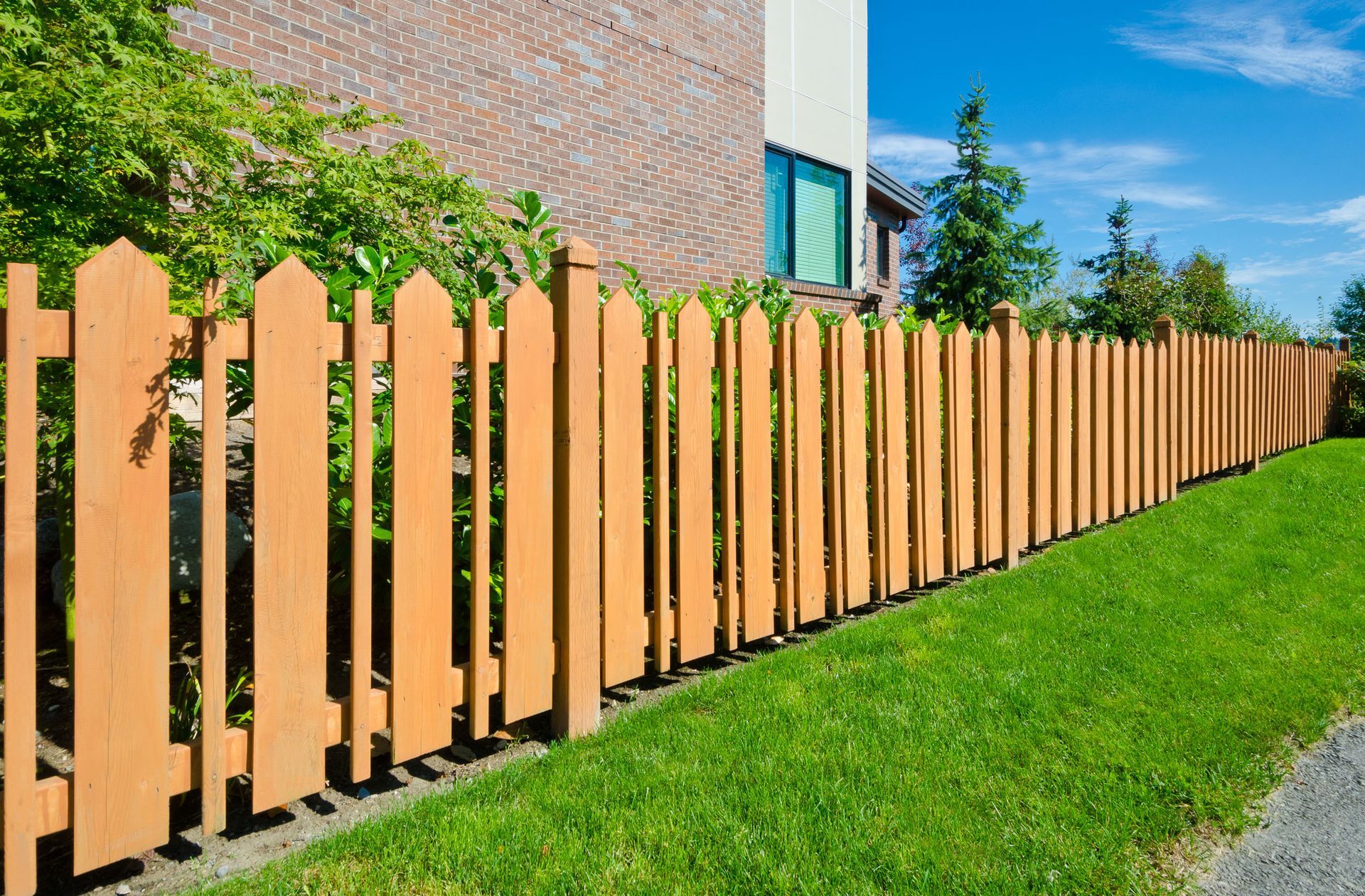
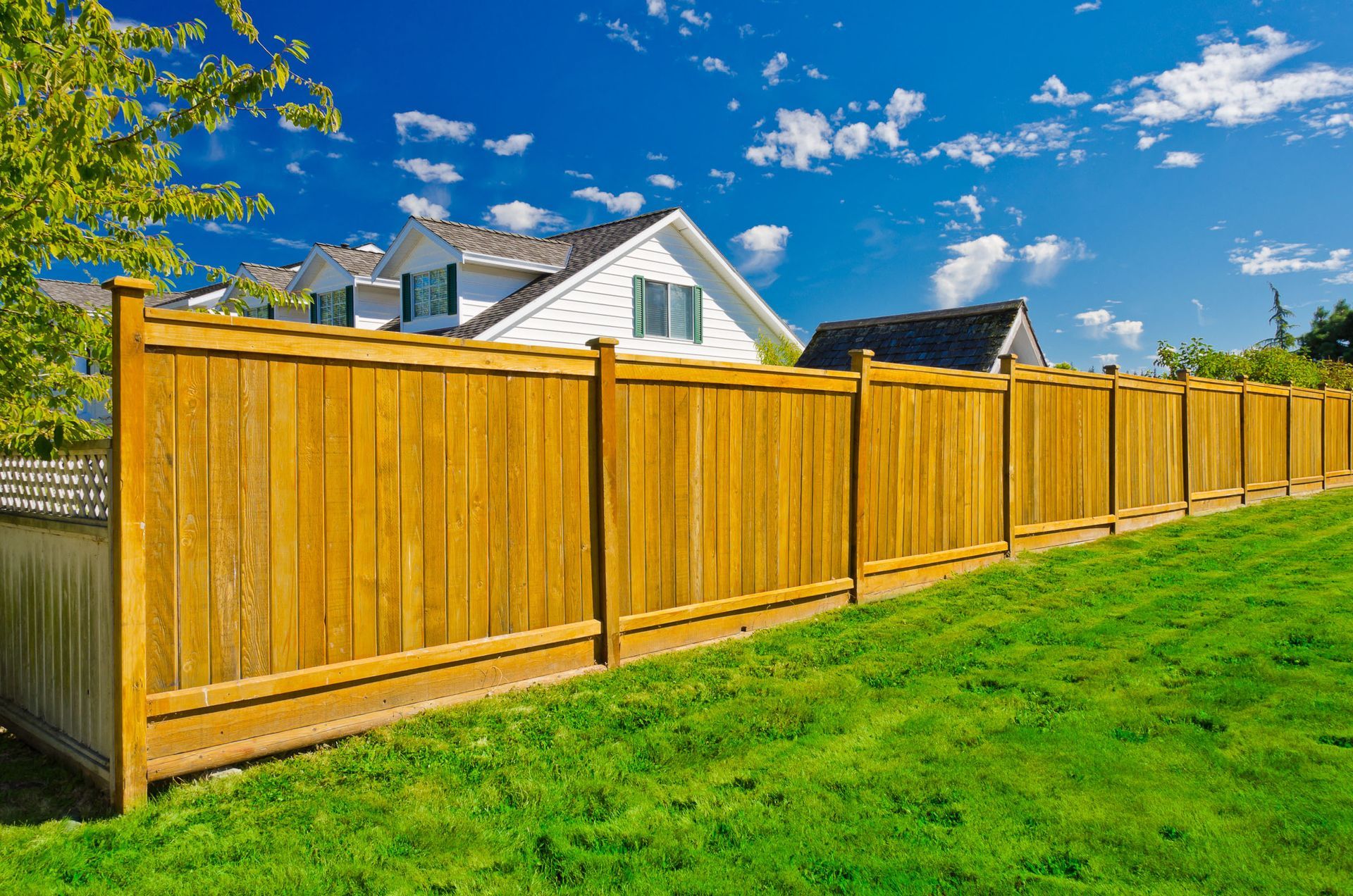
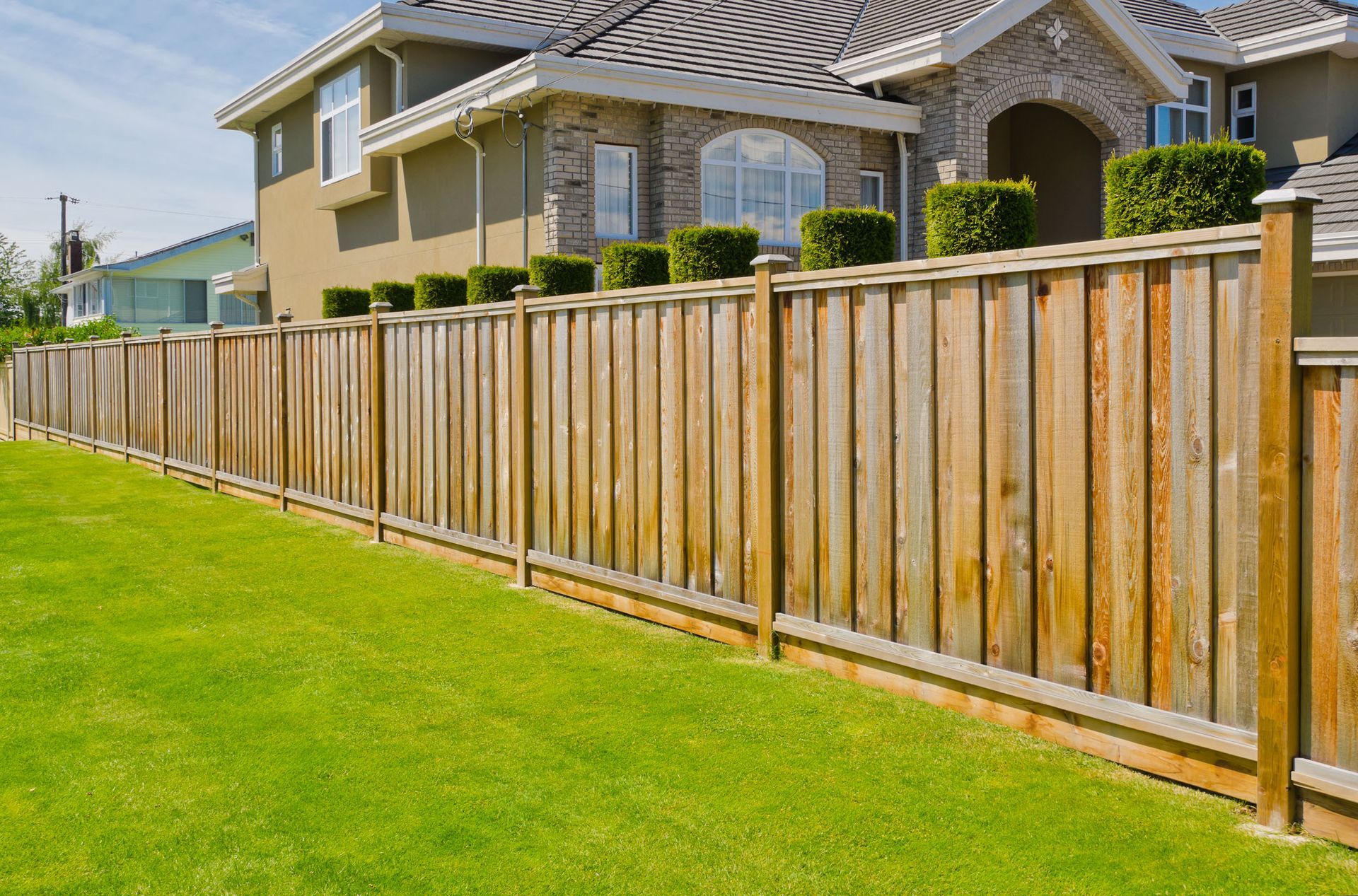
Wood fencing remains a classic choice for homeowners seeking natural beauty and complete backyard seclusion. Quality wood systems, including treated pine and cedar, provide privacy around patios, gardens, and swimming pools. Skilled local fence contractors build custom wood privacy fences, shadowbox designs, and decorative spaced-picket layouts that blend seamlessly into established residential neighborhoods. Natural wood also allows for personalized finishes, giving you the flexibility to apply stains, sealants, or paint colors that complement your home's exterior trim and landscape architecture.
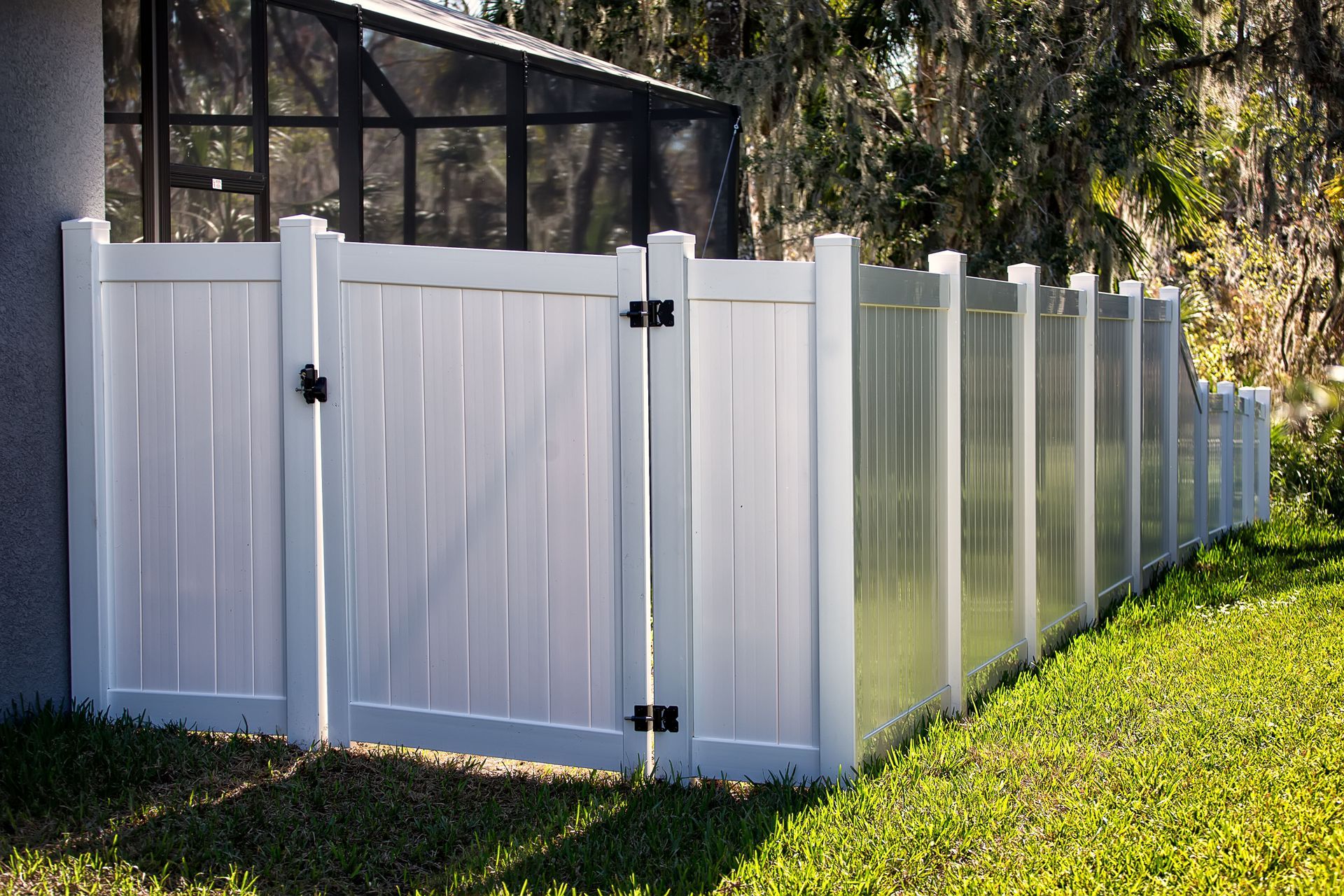
If low maintenance is your primary goal, vinyl fencing offers lasting performance without the need for regular painting or staining. Vinyl resists rot, insect damage, and moisture, making it an excellent investment for busy families. Its non-porous surface easily washes clean with a standard garden hose, ensuring your boundary stays pristine through seasonal pollen, rain, and mud without warping or splintering over the years.
For a classic, elegant aesthetic, ornamental aluminum fencing delivers the upscale appearance of wrought iron along with superior corrosion resistance. Aluminum is especially popular for enclosing swimming pools and decorative front yards because it maintains open sightlines while keeping children and pets safely contained. Powder-coated finishes shield the metal from humidity and pool chemicals, preventing chipping and peeling.
For budget-conscious perimeter security, traditional chain link fencing provides a durable, economical barrier for yards of any size. Modern chain link options include color-coated finishes that integrate naturally with surrounding landscaping while offering decades of dependable containment. Homeowners can also add privacy slats to chain link enclosures to block exterior view corridors while keeping overall material costs manageable.
Securing Commercial and Industrial Facilities
Commercial properties, business parks, and industrial job sites demand robust physical security barriers that control access and deter unauthorized entry. Reliable local fence contractors design heavy-duty chain link enclosures, reinforced security fencing, and commercial-grade aluminum barriers tailored to unique facility requirements. These installations protect valuable equipment, define employee parking zones, and safeguard restricted storage areas. Selecting the correct gauge, height, and post spacing ensures your barrier resists forced intrusion while clearly delineating private enterprise lines.
Beyond standard perimeter fences, commercial properties frequently require automated access control solutions to manage daily traffic and maintain strict entry logs. Professional builders install cantilever gates, swing gates, roll gates, and automated operators integrated with keypads, card readers, telephone entry systems, and remote controls. These automated entry points streamline shift changes, track vendor arrivals, and prevent unauthorized vehicles from entering sensitive loading zones.
When you partner with experienced local fence contractors, you get an integrated layout that balances perimeter deterrence with smooth, everyday operational access for employees, visitors, and delivery fleets. Dedicated contractors evaluate traffic volume, peak operating hours, and turning radii for large freight trucks to position entry points safely. This comprehensive planning minimizes traffic congestion on adjacent roadways, satisfies emergency vehicle access standards, and creates a secure, orderly flow across your entire industrial footprint.
Preparing for Your Upcoming Fence Project
Before scheduling your project, establish a clear understanding of your property boundaries to avoid boundary overlaps with neighbors. Locating your official plat map or commissioning a boundary survey provides absolute certainty on where your fence line should stand. Taking this step early prevents contentious legal disputes or the costly hassle of tearing down and relocating misplaced posts. You should also check with your local homeowner association to confirm any guidelines regarding permissible heights, materials, and colors, while pulling necessary municipal building permits to guarantee complete local code compliance. In addition, reaching out to your adjoining neighbors beforehand fosters good community goodwill and prevents misunderstandings regarding shared boundaries or visual sightlines.
Next, identify the primary objective for your new barrier, whether that is blocking wind, keeping pets inside, increasing privacy, or securing industrial assets. Pinpointing these functional needs allows you to balance decorative appeal with practical containment demands. Consider how everyday lifestyle factors influence your perimeter, such as accommodating pool safety codes, screening direct sunlight from outdoor dining patios, or establishing secure enclosures for active livestock. Communicating your goals clearly helps your builder recommend the right materials, gate placements, and structural heights. Reputable installers will visit your site, assess elevation changes, evaluate underground utility paths, measure linear footage, and walk you through every phase of the project so there are no surprises on build day. Experienced contractors will also examine surface grading, natural water drainage, and soil compaction across the planned perimeter, ensuring your final layout blends function, beauty, and long-term structural resilience.
Evaluating Warranty and Workmanship Standards
Long-lasting performance relies on the quality of the installation methods as much as the materials themselves. Experienced builders dig post holes to appropriate depths and secure them firmly in concrete to resist strong winds and shifting soil. They also use corrosion-resistant fasteners to prevent unsightly rust streaks across your pickets and rails. Furthermore, skilled craftsmen account for natural ground settlement and seasonal freeze-thaw cycles by bracing corner posts, mortising rails securely, and setting gate hinge posts in reinforced footings to eliminate gradual sagging.
When reviewing project estimates, pay close attention to workmanship warranties alongside manufacturer material warranties. Established local fence contractors stand behind their labor and provide prompt support if a gate requires post-settling adjustments or hardware realignment. They should clearly document labor coverage periods, dispute resolutions, and regular maintenance recommendations directly within the service contract. Investing in licensed, insured experts protects your property and ensures that your perimeter remains secure and attractive for decades.
A well-planned fence enhances everyday privacy, protects your loved ones, and strengthens overall property value. Choosing experienced professionals ensures your installation proceeds safely, on schedule, and in complete accordance with local standards. For dependable residential and commercial installations, automated gates, and access control solutions, schedule your next consultation with All Advanced Fence, LLC.