November 24, 2026
Choosing a fence involves more than choosing a material or deciding where to place a boundary. The right fence should complement the property's appearance, provide the desired level of privacy, and serve practical purposes for years to come. From assessing the landscape to considering long-term maintenance, experienced local fence contractors can make the decision-making process easier and help ensure a successful result.
Evaluating Your Property and Available Space
One of the first steps in selecting a fence is to understand the property where it'll be installed. Every outdoor space has different characteristics, including its dimensions, terrain, existing landscaping, and nearby structures. Professionals evaluate these factors to determine which fencing options are practical and how the installation should be planned.
The size and layout of the property can influence everything from fence style to material selection. A smaller backyard may benefit from a design that creates privacy without making the space feel enclosed, while a larger property may require a more extensive fencing system. Professionals also identify potential obstacles, such as trees, garden beds, driveways, and outdoor structures. Taking these details into account helps ensure that the finished fence fits naturally into the landscape.
Understanding Your Primary Fencing Goals
Before recommending a particular fence, professional local fence contractors consider what the property owner wants to accomplish. Some homeowners prioritize privacy, while others are more concerned with security, decorative appeal, or creating a designated area for children and pets. Identifying these goals helps narrow down the available options.
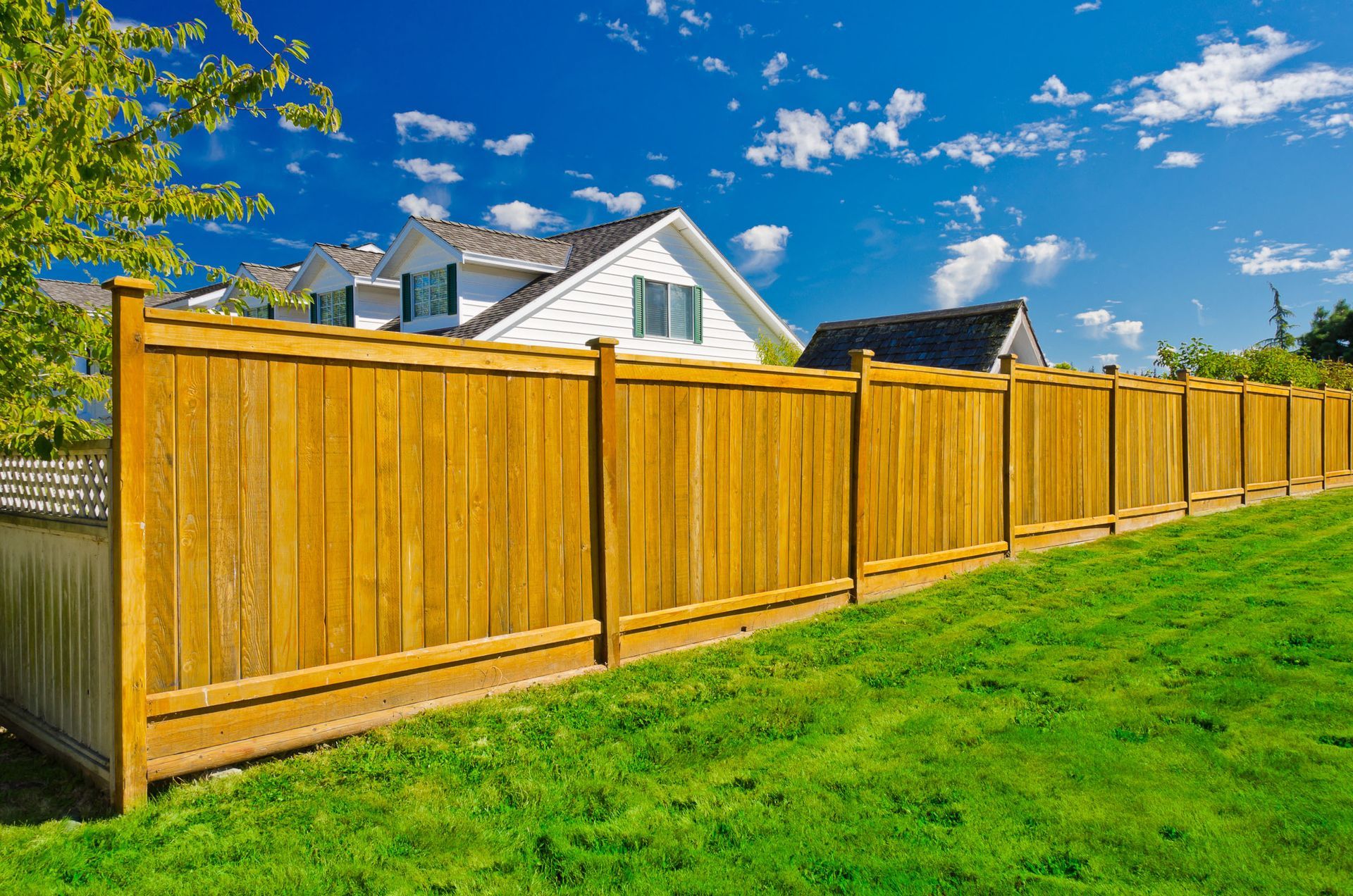
For example, a homeowner who wants to enjoy a secluded backyard may benefit from a solid privacy fence. Someone primarily interested in defining property boundaries might prefer a more open design that maintains visibility across the landscape. Families with pets may need fencing that prevents animals from slipping underneath or squeezing through openings. By understanding the intended purpose, fencing professionals can recommend designs that provide practical benefits without overlooking appearance.
Comparing Different Fence Materials
Material selection has a significant influence on a fence's appearance, durability, cost, and maintenance requirements. Wood, vinyl, aluminum, chain link, and composite materials each offer different advantages. Professionals help property owners compare these choices based on their expectations and the conditions surrounding the installation area.
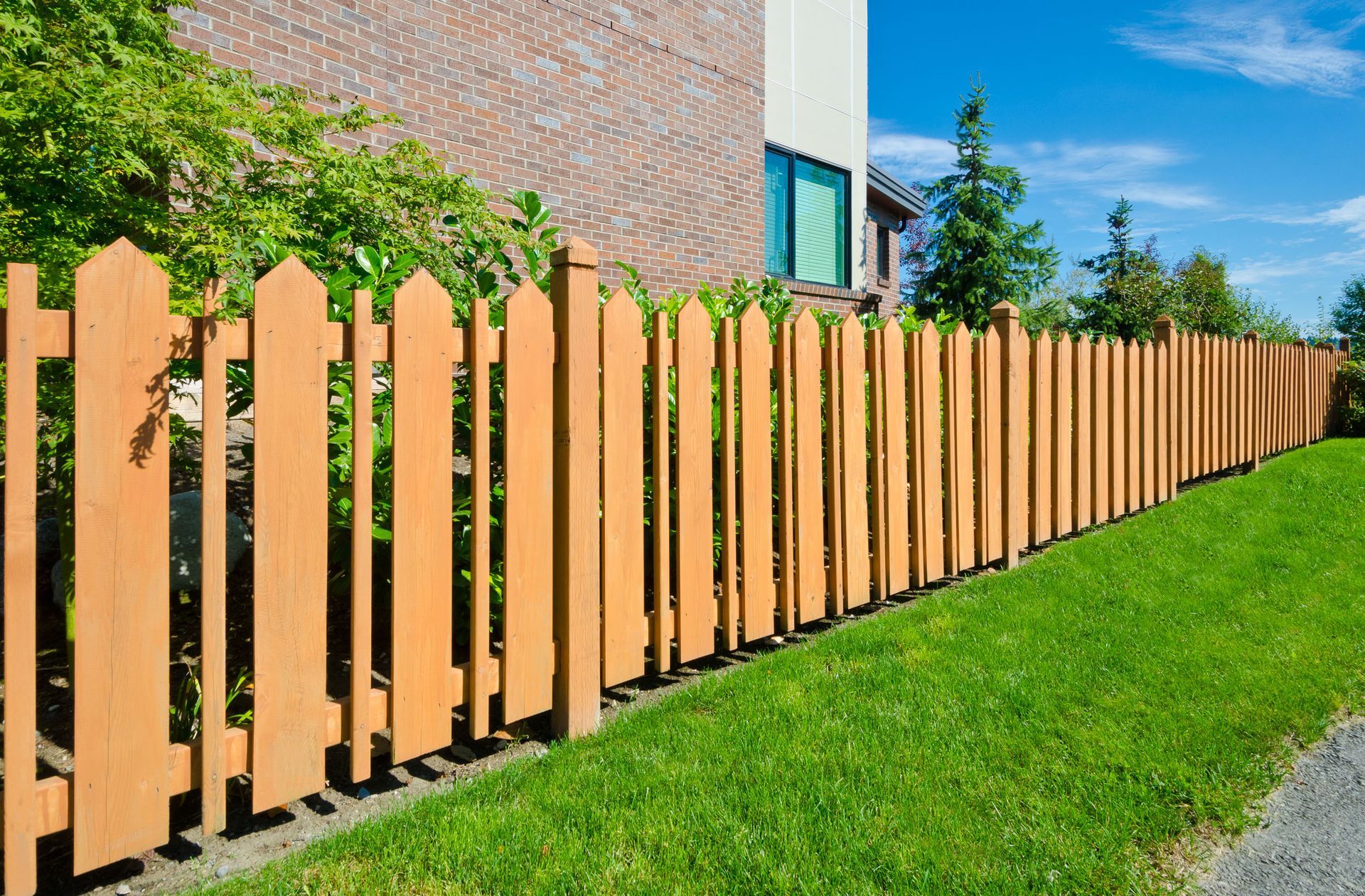
Wood fencing remains popular because of its natural appearance and versatility. It can complement a variety of architectural styles and is available in several configurations. Vinyl offers another option for homeowners interested in a clean appearance and relatively low maintenance requirements. Aluminum provides a decorative, durable solution that works well for many residential landscapes, while chain link is often selected for its practicality and visibility. Composite fencing can provide the appearance of traditional materials while offering additional resistance to common forms of deterioration. Discussing these differences with experienced local fence contractors helps homeowners identify a material that suits their priorities.
Considering Privacy and Fence Height
Privacy is one of the most common reasons homeowners invest in fencing. A properly designed fence can create a more secluded outdoor environment, reduce visibility from neighboring properties, and make patios or backyard gathering areas more comfortable. However, the appropriate height depends on the property's layout, local regulations, and the level of privacy desired.
According to the Landscaping Network, common heights for backyard fences are typically between six and eight feet. Professionals help determine whether a particular height is appropriate by considering neighboring structures, property boundaries, and applicable restrictions. They may also recommend specific fence styles that provide privacy without overwhelming the landscape. For properties where complete visual separation is unnecessary, shorter or partially open fencing may provide a better balance between privacy and openness.
Assessing the Property's Terrain
Not every property offers a perfectly level surface for fence installation. Slopes, hills, uneven ground, and changes in elevation can make the planning process more complicated. Professional local fence contractors assess these conditions before recommending an installation approach to help ensure the fence follows the landscape appropriately.
Depending on the terrain, installers may recommend stepping or racking techniques. Stepped fencing uses sections installed at different elevations to accommodate a slope, creating a series of level panels. Racked fencing follows the ground's angle more closely, allowing the fence to maintain a consistent relationship with the terrain. The best method depends on the material, fence design, and degree of elevation change. Proper planning helps prevent unwanted gaps and creates a more polished finished appearance.
Matching the Fence to Your Home's Architecture
A fence should function as part of the property's overall design rather than appear disconnected from the home. Its color, material, height, and decorative details can all influence how the landscape looks. Professionals consider the home's architectural style and existing outdoor features when helping property owners select an appropriate design.
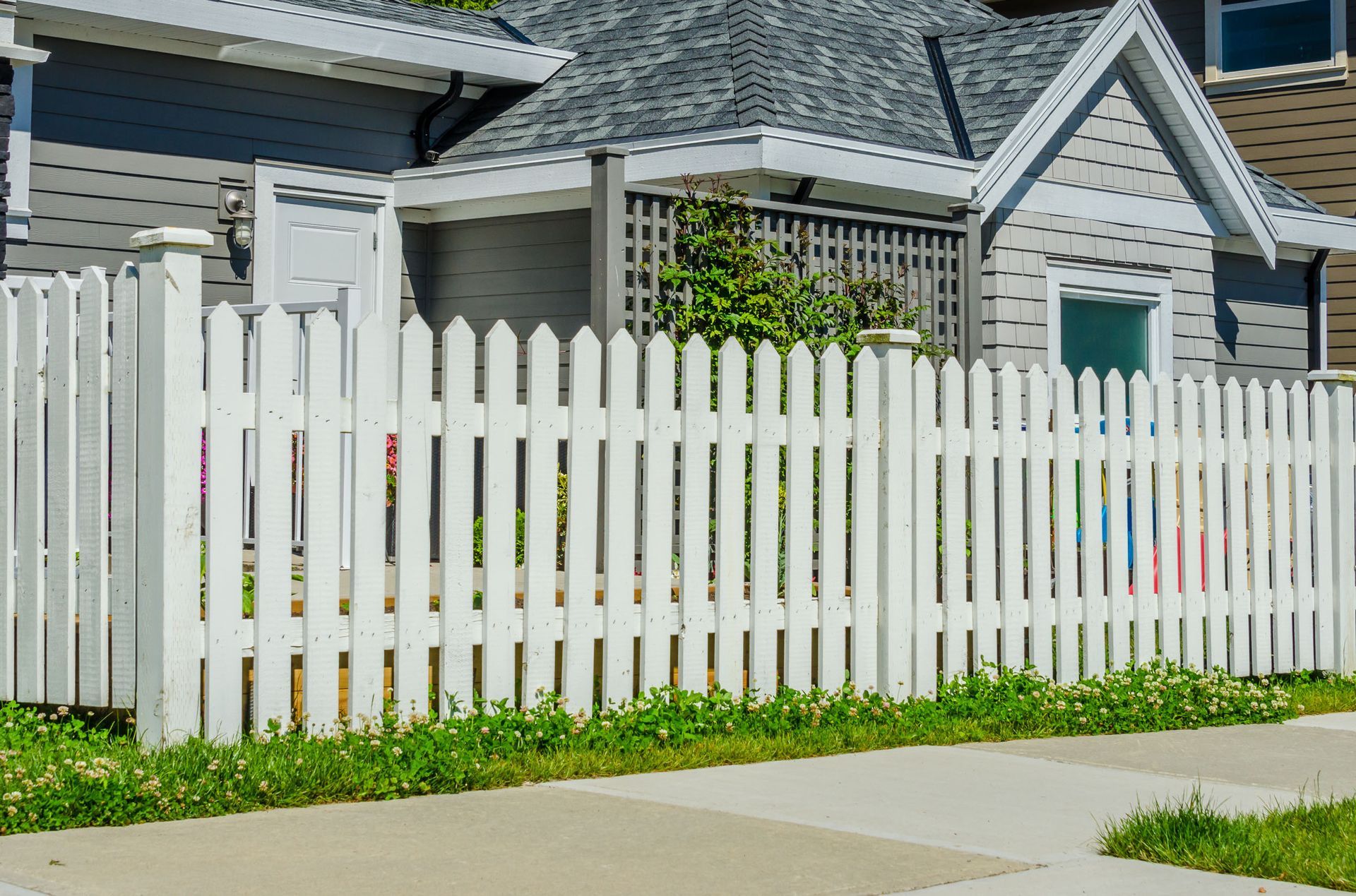
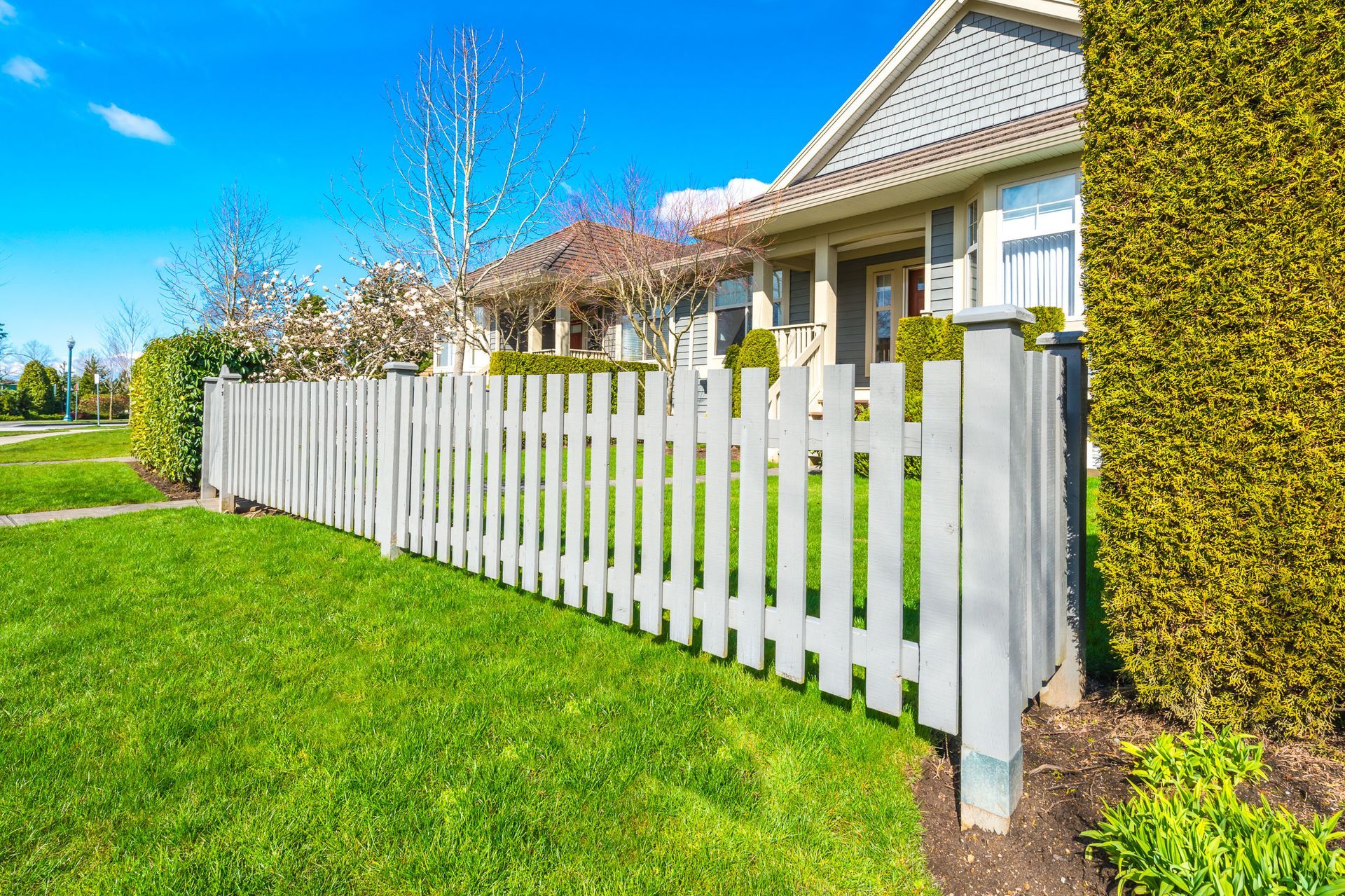
For example, a traditional home may pair well with a classic wood picket fence, while a contemporary property might benefit from clean lines and simple materials. Ornamental aluminum fencing can complement formal landscaping, and horizontal wood fencing may work well with modern exterior designs. Professional local fence contractors can also consider existing decks, patios, walkways, and garden features when developing recommendations. A coordinated design creates a more visually appealing property and helps the fence feel like a natural extension of the home.
Planning for Children and Pets
For many households, fencing plays an important role in creating a functional outdoor environment for children and pets. A well-designed fence can establish a defined play area, provide a boundary for outdoor activities, and help prevent pets from wandering beyond the property. However, the right design depends on the household's specific needs.
Professionals consider factors such as fence height, spacing between panels, gate placement, and potential openings near the ground. Families with dogs may need a fence that is tall enough to discourage jumping and constructed to prevent digging or squeezing through gaps. For households with young children, secure gates and appropriate latching systems are important considerations. Discussing these priorities with a fencing professional helps ensure the finished installation supports the family's daily activities.
Reviewing Local Regulations and Property Boundaries
Before installing a fence, property owners should understand the regulations and restrictions that apply to their location. Local municipalities, homeowners associations, and neighborhood agreements may establish requirements regarding fence height, materials, placement, and appearance. Failing to account for these rules can lead to unnecessary complications or expensive adjustments.
Local fence contractors can help homeowners identify important considerations before installation begins. They may recommend checking property surveys, confirming boundary locations, and reviewing applicable permit requirements. Setback rules and easements can also affect where a fence may be installed. Taking time to address these details helps prevent disputes with neighbors and reduces the likelihood of unexpected setbacks during the project.
Considering Durability and Maintenance Requirements
A fence is a long-term property improvement, so its expected lifespan and maintenance needs should influence the selection process. Different materials respond differently to moisture, temperature changes, sunlight, and everyday wear. Professionals explain how these environmental factors may affect various fencing options over time.
For instance, wood fencing may require periodic staining, sealing, or painting to maintain its appearance and protect against moisture. Vinyl generally requires less ongoing attention, while aluminum is valued for its resistance to rust and corrosion. Chain link is another practical option for property owners seeking a durable boundary with relatively straightforward upkeep. By comparing maintenance expectations alongside initial costs, homeowners can choose a fence that aligns with their long-term plans and available maintenance budget.
Working with knowledgeable fencing professionals helps ensure that the selected design meets the property's needs and complements its surroundings. With careful planning and an appropriate installation, homeowners can enjoy a fence that provides lasting value, functionality, and visual appeal. Contact our local fence contractors at All Advanced Fence, LLC today!