June 16, 2026
A beautifully crafted perimeter border adds warmth, character, and dependable security to any residential property layout. Choosing natural lumber for your boundary boundaries is an excellent choice, but organic materials require systematic care to combat the ongoing threat of environmental weathering and physical decay. Implementing a proactive preservation routine allows property owners to safeguard their investment and keep their boundaries looking pristine through every changing season.
1. Conducting Routine Inspection Protocols
The absolute foundation of a dependable boundary management strategy begins with meticulous visual property walkthroughs at least twice per year. Homeowners should walk the entire length of their border layout following severe storms or intense seasonal shifts to spot structural anomalies early. During these structural reviews, check closely for loose pickets, rusted fasteners, sagging horizontal rails, or posts that wobble under minimal physical pressure. Identifying a slight lean or a shifting support framework early allows you to execute minor structural alignment corrections long before the entire section collapses. Paying close attention to the structural health of the wood fibers near the base of each post is essential, as this contact point remains highly vulnerable to ground-level humidity and biological rotting.
2. Eradicating Damaging Organic Accumulations
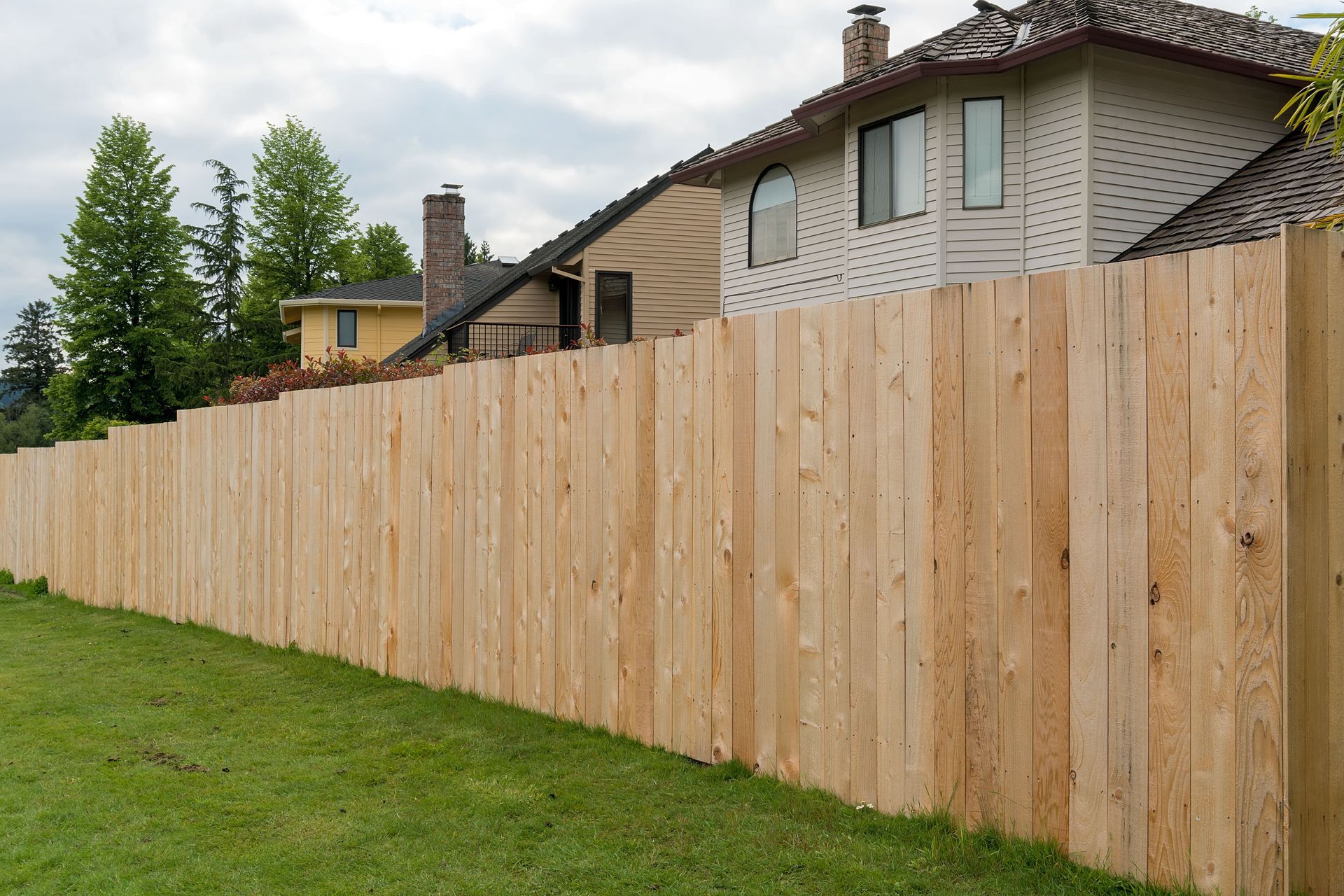
Over months of exposure to rain and shade, natural boundary surfaces can become a breeding ground for destructive organic growths like green moss, slippery algae, and dark mildew spores. These living organisms trap ambient moisture directly against the wood grains, completely breaking down the natural cellulose protective layers and paving the way for advanced structural rot. According to HGTV, a well-cared for wood fence should last 15 years. Achieving this impressive structural lifespan requires property owners to perform careful surface washings to eliminate these biological threats before they penetrate deep into the material. Utilizing a specialized, gentle cleaning solution along with a soft-bristle scrub brush or a highly calibrated low-pressure rinse will wash away persistent stains without fraying the underlying delicate fibers of your wood fences.
3. Managing Ground Contact Clearances
A significant percentage of premature boundary failures can be traced back to constant, unyielding contact between the lower edge of the pickets and the damp organic soil or heavy grass below. When the bottom boards of wood fences remain completely submerged in tall weeds, thick lawn thatch, or rich landscape mulch, they continually wick up ground moisture like a sponge. This perpetual dampness accelerates structural rot, warps the lower profile of your panels, and creates an open invitation for destructive wood-boring insects like termites and carpenter ants. Homeowners must remain proactive by trimming back encroaching turfgrass, cutting down thick brush, and establishing a clear safety gap between the base of the panels and the underlying earth. Ensuring proper airflow underneath the structure allows the material to dry completely after heavy downpours, preserving its structural shape.
4. Applying High-Performance Surface Seals
Natural lumber requires a robust defense system to repel the continuous onslaught of intense solar radiation, heavy downpours, and freezing winter sleet. Unprotected panels will rapidly lose their natural oils, leading to severe fiber drying, deep structural splitting, and an unattractive silver-gray color transformation. Harsh ultraviolet rays break down the lignin in the wood cells, leaving the fibers brittle and defenseless against the next rainstorm.
Homeowners can completely halt this environmental degradation by applying a premium, water-repellent exterior stain or a clear protective sealant every two to three years. These advanced coatings create an impenetrable moisture barrier that forces rainwater to bead up on the surface rather than soaking into the interior grain network.
Regularly refreshing this exterior shield is one of the most effective methods to prolong the life of wood fences, keeping the lumber stable, flexible, and visually stunning for a longer period. Taking the time to properly power-wash and dry the pickets before applying a new coat ensures that the sealant bonds perfectly with the grain, eliminating any bubbling or peeling.
5. Adjusting Gate Alignment Mechanics
The moving gate sections of any boundary installation endure the highest amounts of daily mechanical stress and physical wear from constant opening and closing. Over time, the weight of a swinging panel combined with gravity can cause supporting posts to shift slightly, leading to gate sagging, misaligned latches, and dragging frames. When a gate drags across the ground, it places immense torque on the mounting hinges, loose screws, and surrounding structural frames, which accelerates the wear of your entire system. This extra mechanical friction can strip out heavy-duty mounting screws and warp the steel reinforcement plates, leaving your entrance completely unsecured.
Homeowners should regularly inspect all moving parts, tightening loose hardware, lubricating iron hinges with weatherproof lubricants, and adjusting tension cables or sag-prevention kits when needed. Keeping these crucial access points perfectly balanced prevents unnecessary strain on adjacent posts, ensuring seamless, smooth operation. By installing heavy-duty gate wheels or high-tensile turnbuckles, you can distribute the weight of the swinging panel more evenly, effectively relieving structural pressure on the main latch system. Taking these simple, proactive mechanical steps prevents your gates from sticking during seasonal temperature changes, protecting your property's primary entryways and ensuring convenient, hassle-free access for your family and visitors.
6. Protecting Boundaries From Irrigation Over-Spray
While automatic lawn sprinklers are highly efficient for maintaining a lush, vibrant green yard, their spray patterns should never be allowed to repeatedly hammer your boundary line. Constant exposure to chemically treated city water or mineral-heavy well water causes rapid mineral staining, deep wood discoloration, and accelerated localized rot on your panels. When a sprinkler head continuously saturates a specific section of your boundary, that area remains perpetually damp, completely neutralizing the effectiveness of any protective stains or seals you have applied.
This ongoing water pressure can also blast away the protective surface layer of the lumber, forcing moisture deep into the core grain structure. Homeowners should systematically audit their irrigation zones, adjusting spray directions and angling nozzles completely away from all wood fences on the property. This simple landscape adjustment prevents localized material decay, eliminates unsightly white mineral rings, and ensures your boundary boundaries age uniformly across your entire property footprint.
Furthermore, checking that your lawn sprinkler spray heads are not pooling water at the very base of your support columns prevents subterranean shifting, ensuring the foundational components stay firm and dry within the packed earth over decades of heavy service.
7. Partnering With Boundary Specialists
Maintaining a strong, visually appealing boundary line requires a balance of routine personal care, careful landscaping habits, and timely structural corrections. By remaining diligent with regular structural inspections, organic cleaning, and protective surface sealing, you keep your investment secure, functional, and looking beautiful for years to come. This consistent upkeep not only preserves the aesthetic value of your property but also reinforces home security and keeps your pets and children safely contained. Neglecting small warning signs now, such as a loose post or minor rotting, can quickly lead to extensive structural damage that compromises the entire perimeter during the next major storm.
When you are ready to secure expert, certified installation services, reliable materials, or professional consultation to design your ideal perimeter setup, contact the dedicated team at All Advanced Fence, LLC to schedule your comprehensive personal consultation today. Our experienced specialists are fully licensed and dedicated to delivering top-tier craftsmanship, utilizing premium-grade lumber and durable hardware components to construct stunning custom enclosures built to withstand the elements and serve your family dependably for a generation.